Tile Care
How to Seal, Clean and Care for Travertine Tiles
Natural travertine is beautiful but porous. Here's how to seal it, clean it day to day, what never to use on it, and how to tell when it needs resealing.
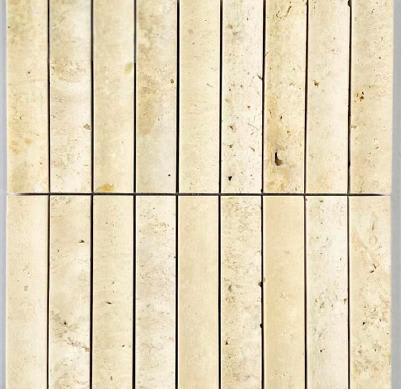
Natural travertine rewards a little care. Seal it properly and clean it with the right products, and it will look good for decades. Skip those steps, or reach for the wrong cleaner, and it can stain, dull or etch.
This guide covers genuine natural travertine: tumbled tiles, mosaics and feature formats. If you have travertine-look porcelain, most of this doesn't apply. Porcelain doesn't need sealing, and a pH-neutral cleaner is all it needs (see the section at the end).
Why travertine needs sealing
Travertine is a form of limestone. It's porous, so it absorbs liquids, oils and dirty mop water, and it's calcium-based, so acids react with the surface and leave dull marks called etching. A good sealer slows down absorption and gives you time to wipe up spills before they stain. It does not stop acid etching, which is why choosing the right cleaner matters just as much.
Step by step: sealing travertine
Always follow the sealer manufacturer's instructions, since products differ. The general process is:
- Start clean and dry. After installation and grouting, let the tiles and grout cure fully. Clean off any grout haze with a cleaner suited to natural stone, then let everything dry thoroughly.
- Choose a penetrating (impregnating) sealer. It soaks into the stone and protects it from within without changing the surface. Topical "film" sealers can scratch, peel and make floors slippery, so they're generally best avoided on floors. Enhancing sealers darken and enrich the colour; use one only if you want that look, and test it first.
- Test a spare tile or hidden corner. Check the colour and finish before doing the whole area.
- Apply evenly. Use a brush, applicator pad or lint-free cloth, working into the pits and grout lines.
- Remove the excess. Wipe off any sealer that hasn't absorbed within the time the manufacturer specifies. Left on the surface, it can go sticky or hazy.
- Apply a second coat if recommended. Highly porous or tumbled travertine often needs two.
- Let it cure. Keep the area dry and free of traffic for the curing time on the label.
Unfilled and tumbled travertine has more open pits and texture, so work the sealer into the holes and expect it to absorb more.
Day-to-day cleaning
- Dry first. Sweep or vacuum (with the beater bar off) to remove grit, which scratches stone underfoot.
- Mop with a pH-neutral stone cleaner diluted as directed, using a damp, not soaking, mop.
- Wipe spills promptly, especially wine, coffee, oil, cosmetics and anything acidic.
- Use mats at entries to catch grit, and felt pads under furniture.
- In showers, squeegee or wipe walls after use to limit soap scum and mineral build-up, and clean with a stone-safe bathroom cleaner.
What never to use on travertine
- Vinegar, lemon juice or "natural" acidic cleaners
- Bleach and ammonia-based cleaners
- Most general bathroom and descaling sprays, which are often acidic
- Abrasive powders, scouring pads and steel wool
- Wax-based floor products, unless the stone supplier recommends them
If a cleaner doesn't say it's safe for natural stone or marble, don't use it on travertine.
How to tell when it needs resealing
Drop a little water onto the surface and wait a few minutes:
- It beads and sits on top: the sealer is still working.
- It soaks in and darkens the stone: time to reseal.
How often you reseal depends on the sealer, the finish and how much traffic and water the area gets. Busy floors, showers and kitchen splashbacks need it sooner than a feature wall in a living room. Doing the water test every six to twelve months tells you when.
Common problems and fixes
Etch marks (dull spots) come from acid, not stains, so a cleaner won't remove them. Light etching on honed stone can sometimes be buffed, but deeper marks need a stone restoration professional to hone and re-finish the surface.
Oil or organic stains can often be drawn out with a poultice designed for natural stone. Follow the product directions and be patient; it can take more than one application.
Pits filling with dirt on unfilled travertine: use a soft brush and pH-neutral cleaner. If it bothers you on a floor, a filled travertine or travertine-look porcelain may suit that area better.
White powdery deposits outdoors are usually efflorescence, salts drawn up through the stone. Brush them off dry and ask us about the cause before using any treatment.
Outdoor and pool areas
Natural travertine outdoors needs a textured finish such as tumbled or brushed, a suitable sealer, and more frequent checks, especially around pools where chlorinated or salt water splashes on it constantly. For open outdoor areas and pool surrounds, many people choose a 20mm porcelain travertine-look paver instead, such as the Entiva Travertine External Paver (P5), because it gives the look with no sealing.
Caring for travertine-look porcelain
If your tiles are porcelain made to look like travertine:
- No sealing needed (you can seal the grout for extra stain protection).
- Clean with a pH-neutral cleaner and warm water.
- Avoid wax and oil-based "shine" products, which leave a slippery film.
Not sure which you have, or which you should buy? Our travertine vs travertine-look porcelain guide explains the difference.
Get advice before you buy
We're happy to talk you through sealers, cleaners and the right travertine for each room. Visit our Dandenong showroom at 29A Dandenong Street, or call (03) 8753 2413.